16 Jul 2026
Deciphering Avatar Customization Patterns and Their Ties to Community Formation Within Digital Wagering Environments
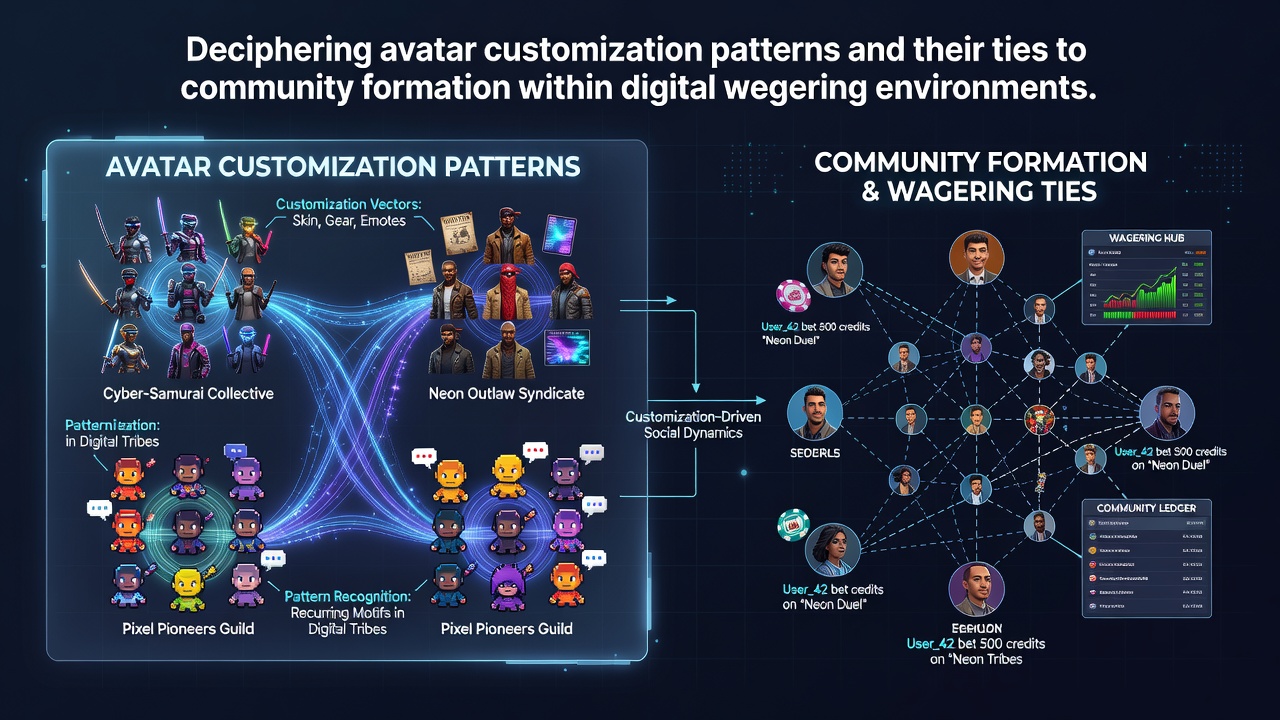 Researchers have tracked avatar customization patterns across digital wagering platforms for several years now, noting how players select features such as clothing styles, accessories, and thematic elements that often align with specific game preferences or session behaviors. Data from platform analytics indicate that users frequently update these visual representations during periods of extended play, with modifications clustering around particular times of day or after notable wins and losses. Patterns emerge when players gravitate toward certain color schemes or item combinations that reflect regional influences or platform-specific events, creating visible distinctions between different user groups. In July 2026 several major platforms reported increased avatar updates coinciding with seasonal promotions and new game releases, according to aggregated industry metrics. These changes did not occur in isolation; they coincided with shifts in chat interactions and group formations within the same environments. Observers note that players who adopted similar customization themes tended to cluster in shared virtual spaces, exchanging strategies through in-platform messaging systems rather than external forums alone.
Customization Elements and Observable Trends
Platform data reveals recurring choices in avatar features that include headwear, background effects, and animation styles, with certain combinations appearing more frequently among users engaged in table games versus slot sessions. For instance, avatars equipped with racing-themed items showed higher prevalence among participants in live dealer environments, while those featuring reel-inspired motifs appeared more often in automated game lobbies. Studies from academic institutions have documented these trends through large-scale scraping of public profile data, showing correlations between customization depth and session duration without implying causation.
What's interesting is how these visual markers evolve over time; players often start with default options and gradually layer in paid or earned items that signal progression within the platform's reward structures. This layering process creates a timeline visible to other users, allowing quick identification of experience levels or spending habits based solely on appearance. Industry reports from organizations like the European Gaming and Betting Association highlight similar patterns across multiple jurisdictions, noting that customization tools have expanded in scope since 2024 as platforms integrated more cross-game asset systems.
Links Between Avatars and Group Dynamics
Community formation accelerates when avatar similarities serve as entry points for interaction, turning isolated sessions into repeated engagements among the same clusters of users. Researchers at various universities have examined how shared customization themes facilitate the creation of informal networks, where players recognize each other across different tables or tournaments through consistent visual identifiers. These networks often develop their own shorthand in chat functions, referencing specific avatar elements as code for strategies or outcomes.
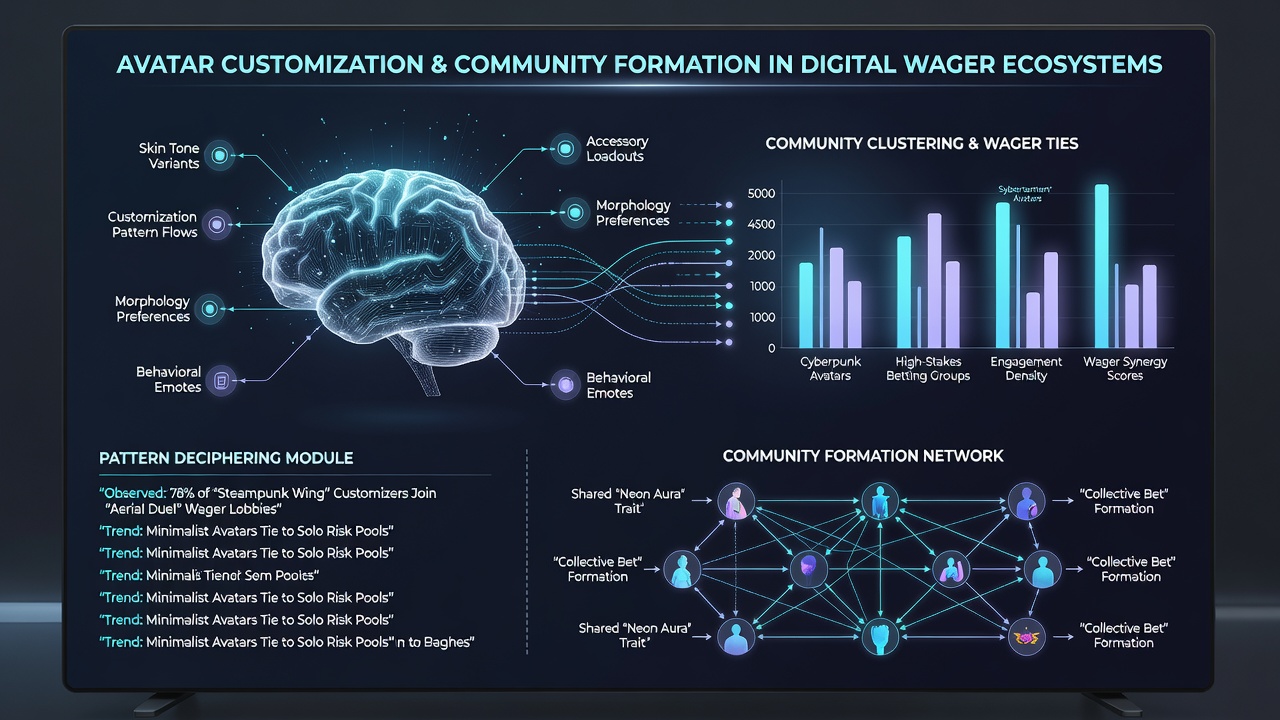
One analysis of activity logs from North American platforms showed that groups with matching accessory sets maintained longer collective play windows compared to random pairings, though individual results varied widely. Regulatory bodies such as the Nevada Gaming Control Board have reviewed these interaction patterns in the context of responsible gaming features, noting that avatar-based grouping can either support or complicate moderation efforts depending on how platforms monitor chat content tied to those visual signals. Data indicates growth in such communities particularly in browser-based and mobile formats where avatar visibility remains high throughout navigation.
Regional Variations and Platform Responses
Customization preferences differ by geographic user base, with Australian platforms recording higher adoption of nature-inspired themes while Asian markets show stronger uptake of competitive sports motifs according to cross-regional comparisons. These differences influence how communities coalesce, as players from similar regions tend to reinforce localized trends through collective updates during peak hours. Platform operators have responded by introducing region-specific item packs that further encourage thematic alignment without requiring direct coordination among users.
Academic papers published through research networks have explored the synchronization of these patterns with algorithmic recommendations, finding that platforms suggesting items based on past play history indirectly shape community boundaries. Yet the core driver remains user choice, as evidenced by override rates in customization menus where players select against algorithmic prompts at notable frequencies. This autonomy allows communities to form organically around self-selected identities rather than imposed categories.
Conclusion
Avatar customization in digital wagering environments continues to intersect with community structures through observable visual and behavioral patterns that researchers and platform data continue to document. These ties manifest across different regions and game types, supported by metrics from industry groups and regulatory oversight bodies that track interaction alongside customization activity. As platforms evolve their tools in response to user behavior observed through mid-2026, the relationship between individual expression and group formation remains a measurable aspect of these virtual spaces.