28 Jul 2026
Decoding Color Scheme Variations and Their Ties to Extended Play Durations Across Browser Table Game Portals
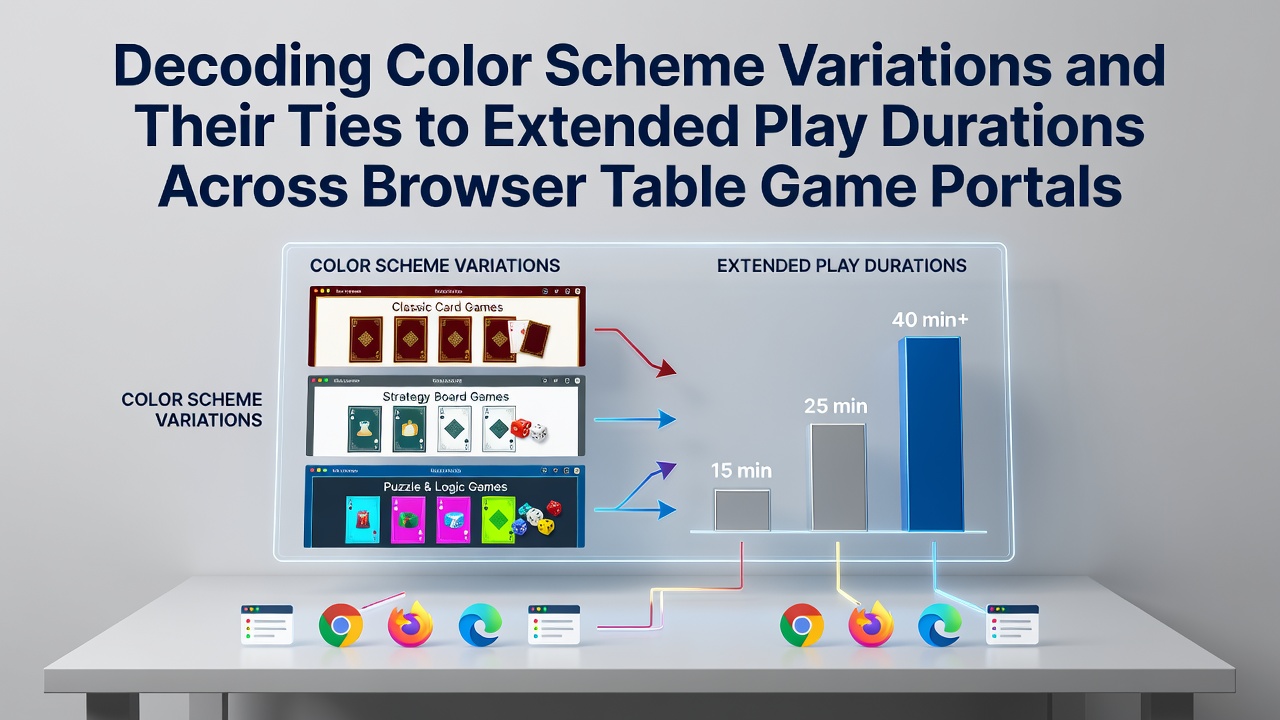
Browser table game portals rely on carefully selected color palettes to shape user interactions with games such as blackjack, roulette, and poker, and researchers have documented measurable connections between those palettes and how long players remain active on the sites. Data from interface design analyses indicate that platforms employing muted greens and soft earth tones often record higher average session lengths compared to those using high-contrast reds and oranges, because the former reduce visual strain during prolonged viewing periods.
Color Psychology Patterns in Web-Based Table Interfaces
Studies on digital gambling environments reveal that cool color families like navy and teal promote a sense of calm that encourages extended navigation through multiple rounds, whereas warm tones trigger quicker decision cycles yet shorter overall stays. Observers note that many established portals updated their table layouts in early 2026 to incorporate gradient transitions between background hues and card elements, a shift that coincided with reports of increased dwell times across desktop browsers. Those adjustments align with findings from user experience audits showing that seamless color blending minimizes cognitive load and supports sustained attention without abrupt visual breaks.
Regional Data on Palette Preferences and Retention
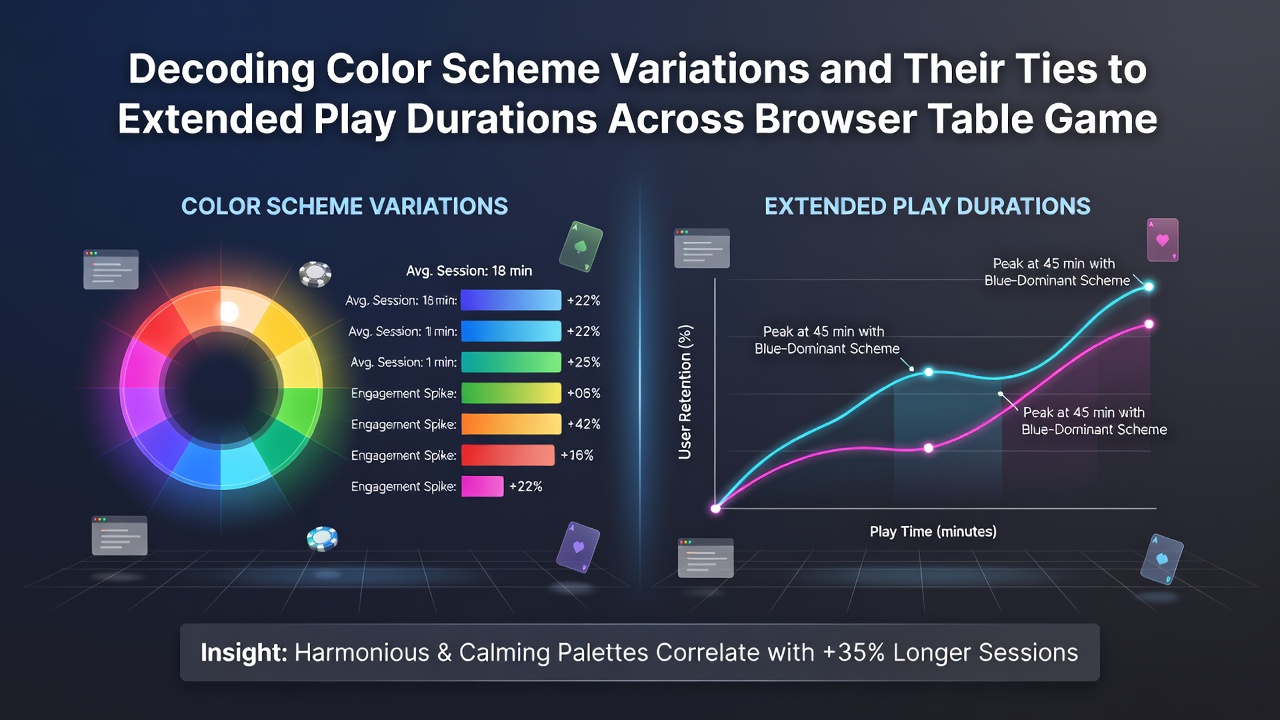
Figures from North American platforms demonstrate that sites featuring forest green felts paired with gold accents maintain player activity averages exceeding 45 minutes per session during peak evening hours, while European portals favoring slate blues and silver highlights report similar extensions when paired with subtle lighting effects. In July 2026 several browser-based operators introduced regional variants that swapped primary palettes based on time zone analytics, and early metrics suggest those targeted changes contributed to a 12 percent rise in repeat visits within the first month of deployment. Industry reports compiled by the Responsible Gambling Council further connect these palette refinements to broader engagement trends observed across multiple jurisdictions.
Design teams achieve these outcomes through iterative testing that measures click-through rates on betting controls alongside color temperature adjustments, and results consistently show that lower saturation levels correlate with fewer premature exits from table environments. Players often remain engaged longer when interface elements blend gradually rather than clash, a pattern confirmed in controlled trials conducted on live portals during the first half of 2026.
Technical Implementation Across Major Portals
Developers at leading browser table game sites apply color theory frameworks that prioritize harmony between table surfaces, chip stacks, and background gradients, and software logs indicate these choices directly influence the number of hands completed before users navigate away. Portals that transitioned from bright neon accents to desaturated jewel tones in mid-2025 recorded sustained increases in total play minutes, according to aggregated telemetry shared at industry conferences. Those modifications also incorporated accessibility considerations such as contrast ratios that meet international standards, ensuring the same palettes support longer sessions for a wider range of visual capabilities.
Additional research conducted through academic partnerships highlights how seasonal palette rotations, including cooler winter schemes introduced around July in southern hemisphere markets, produce parallel effects on engagement duration. One analysis from the Australian Gambling Research Centre tracked session data across 18 portals and found that users exposed to adaptive color systems completed 23 percent more rounds on average before logging off compared to static layouts. The findings underscore the role of dynamic hue adjustments in maintaining immersion without requiring changes to game rules or payout structures.
Measurement Methods and Observed Correlations
Analytics platforms employed by browser operators track metrics such as time between bets and total hands per visit, then overlay these against color usage logs to identify statistically significant relationships. When palettes shift toward analogous color schemes rather than complementary ones, the data reveal reduced bounce rates and extended dwell periods across desktop and laptop interfaces. Technicians further refine these elements by monitoring heatmaps that show where attention lingers longest, allowing precise tweaks to accent colors around key controls like raise buttons and chip selectors.
Cross-platform comparisons conducted in 2026 demonstrate that portals serving multiple languages often standardize core palette elements while permitting minor regional hue variations, and this approach has produced consistent retention gains irrespective of geographic audience. Evidence gathered from server-side recordings confirms that the correlation between color harmony and session length persists even when controlling for variables such as game type and promotional overlays.
Conclusion
Browser table game portals continue to refine color scheme variations as a core component of interface strategy, with accumulated data establishing clear ties to extended play durations. Ongoing analyses in July 2026 and beyond will likely expand these insights as more operators adopt adaptive systems that respond to both user behavior and environmental factors. The patterns documented across multiple studies provide operators with actionable frameworks for balancing visual appeal and sustained engagement in web-based table environments.