21 Jun 2026
Decoding Interlinks Between Verification Layers and Format Preferences Within Adaptive Digital Wagering Networks
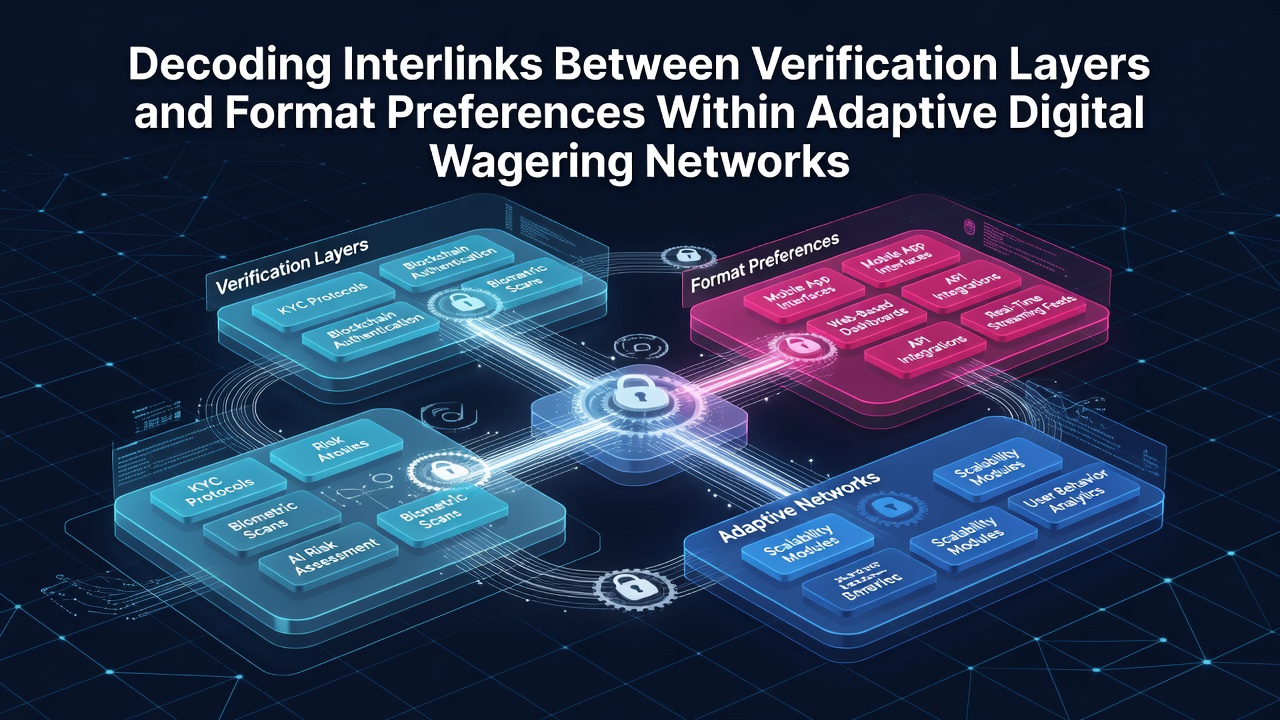
Adaptive digital wagering networks integrate verification layers with format preferences to manage user access across devices, and these systems rely on layered authentication protocols that adjust based on whether participants engage through mobile applications, responsive web browsers, or desktop platforms. Verification layers typically include identity confirmation steps, biometric checks, and multi-factor authentication sequences while format preferences determine how these steps appear and function on different screens. Observers note that platforms adapt verification flows dynamically, shortening certain processes on mobile interfaces where touch-based inputs dominate and expanding desktop versions to accommodate keyboard-driven data entry.
Core Components of Verification Layers
Verification layers operate through sequential stages that platforms deploy according to regulatory requirements and network security protocols. Initial registration often demands document uploads and basic personal details, after which ongoing sessions trigger additional checks such as facial recognition or device fingerprinting. Data from industry analyses shows that these layers scale in complexity depending on transaction volumes and account history, with systems routing high-activity users toward accelerated biometric options that reduce manual input times. Researchers have documented how adaptive networks synchronize these layers with real-time risk assessments, allowing verification to proceed differently when users switch between formats mid-session.
Format Preferences Across Device Types
Format preferences reflect measurable patterns in how participants select and sustain engagement on mobile applications versus desktop browsers or tablet interfaces. Mobile formats frequently prioritize compact verification screens that fit smaller displays and support quick scans of identification cards through device cameras, whereas desktop formats present expanded forms that integrate with external document management tools. According to figures compiled by the Alcohol and Gaming Commission of Ontario, mobile sessions account for over 70 percent of verification completions in regulated markets during peak hours, with desktop usage rising notably for extended administrative tasks like address updates. Adaptive networks detect these preferences through device metadata and adjust interface elements accordingly, routing users to native app flows when mobile indicators appear.
Interconnections and System Adaptations
The interlinks between verification layers and format preferences emerge when networks detect device type and modify authentication sequences to match typical interaction patterns on that format. Mobile verification pathways often embed one-tap biometric approvals that bypass lengthy text fields, while desktop pathways incorporate drag-and-drop document uploads and multi-window verification tracking. In June 2026, several North American platforms introduced updates that synchronized these adaptations more tightly with regional time zone activity peaks, allowing verification to pause and resume across formats without resetting progress. Such mechanisms rely on backend algorithms that store partial verification states and resume them seamlessly when users transition between devices.
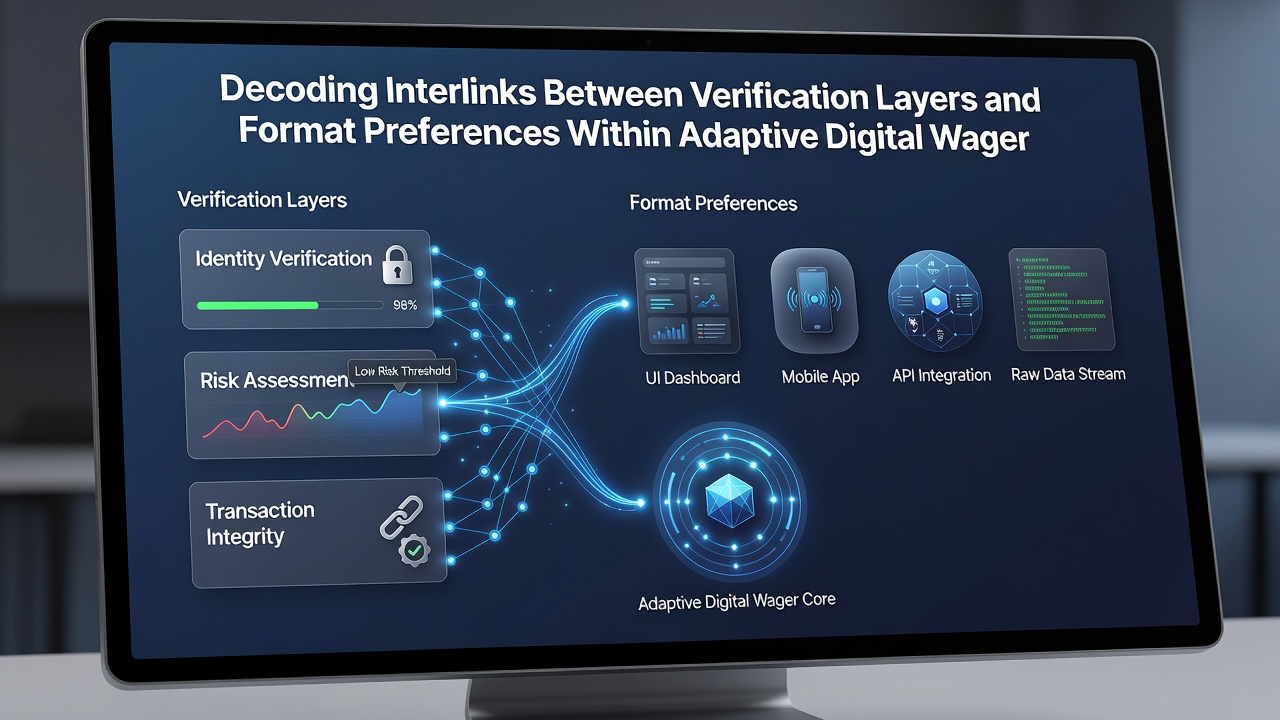
Studies from academic sources, including reports issued through the University of Nevada's gaming research division, indicate that format-specific verification adjustments reduce average completion times by measurable margins when biometric options align with mobile hardware capabilities. These adjustments also support regulatory compliance across jurisdictions by logging format choices alongside verification outcomes. Observers note that networks employing such interlinks experience fewer session interruptions, since users encounter verification steps calibrated to the device already in use rather than generic prompts that require reformatting.
Regional Data Trends and Platform Examples
Regional variations further illustrate how verification and format interlinks function under different oversight frameworks. The Victorian Commission for Gambling and Liquor Regulation in Australia has published metrics showing higher mobile verification adoption rates in urban areas where participants favor portable devices during commute periods. Meanwhile, Canadian provincial data highlights desktop preferences among users managing larger account portfolios that require detailed record reviews. Adaptive networks incorporate these regional signals into their routing logic, presenting verification layers that reflect both device format and local regulatory thresholds without manual user intervention.
One documented case involves a platform that integrated verification prompts directly into its mobile wallet interface, allowing identity confirmation to occur alongside deposit actions rather than as a separate sequence. Desktop users on the same network encountered parallel verification within account dashboards, complete with sidebar progress indicators that mirrored mobile step counters. This approach demonstrates how format preferences shape the presentation of verification layers while maintaining consistent backend validation across all access points.
Conclusion
Verification layers and format preferences within adaptive digital wagering networks operate through interconnected mechanisms that adjust authentication sequences to device characteristics and user patterns. Data collected across multiple regulatory environments confirms that these interlinks support efficient session management and compliance tracking. As platforms continue refining detection algorithms, the alignment between verification processes and chosen formats remains central to network functionality in evolving digital wagering environments.