12 Jul 2026
Demographic Trends Reshaping Content Curation Strategies Within Worldwide Digital Wagering Platforms
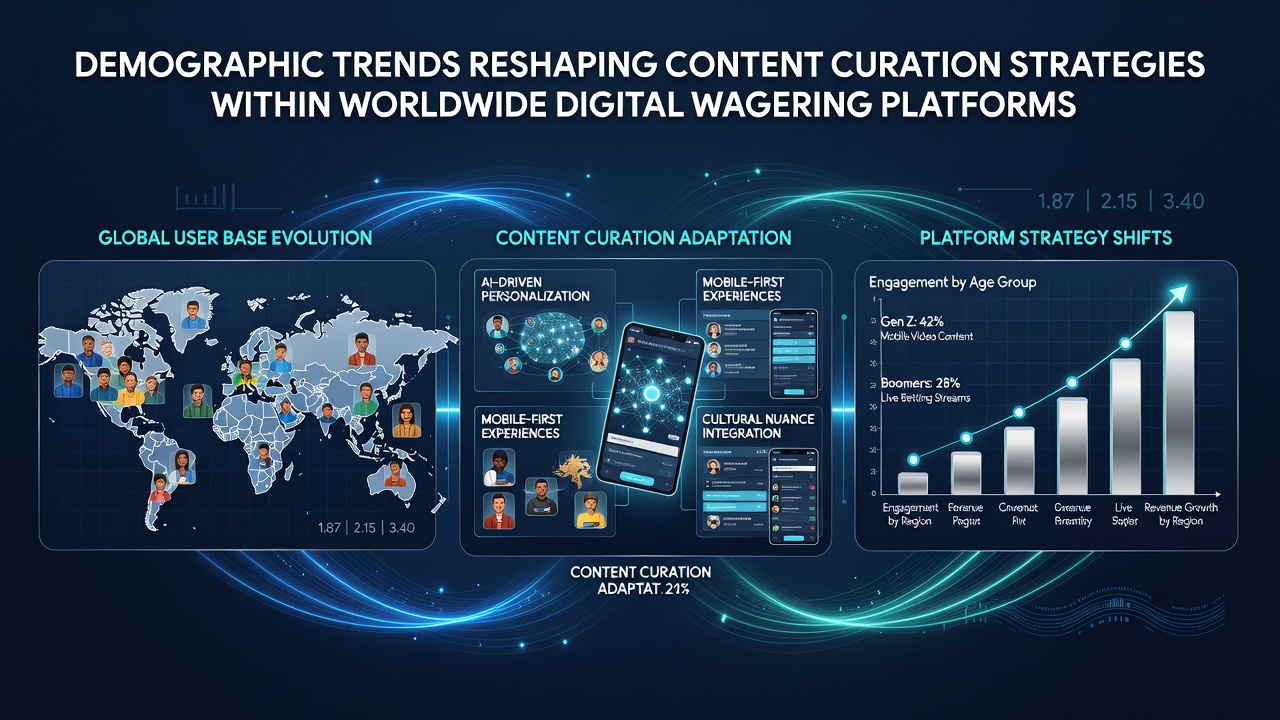 Population data from multiple regions shows shifting age distributions, gender participation rates, and geographic user concentrations that directly influence how operators select, prioritize, and present games on digital wagering platforms. These patterns emerge from aggregated user analytics reported by industry monitoring groups and national statistical agencies. Platforms respond by adjusting recommendation engines, interface layouts, and promotional targeting to match observed behaviors across different cohorts. Age remains a primary driver. Younger adult segments, particularly those aged 21 to 35, demonstrate higher engagement with live dealer formats and social features, while cohorts over 50 maintain stronger preferences for classic slot titles and simplified navigation. Operators in North America and parts of Asia have adjusted catalog visibility accordingly, elevating progressive jackpot networks and real-time multiplayer options for the former group. Data compiled by research institutions in Australia indicates that session lengths for mobile users in this younger bracket average 22 minutes longer when live elements appear prominently in curated feeds. Gender participation continues to evolve. Female user bases have grown steadily in several markets, with notable increases in participation rates for casual and themed table games. Platforms operating across European jurisdictions have introduced dedicated curation layers that surface bingo variants and low-stakes variants more frequently for accounts showing corresponding demographic markers. Canadian provincial reports from 2025 documented a 14 percent rise in female account registrations compared with prior years, prompting several operators to recalibrate search result ordering. Regional differences produce distinct curation requirements. Markets in Southeast Asia and Latin America exhibit elevated demand for sports betting integrations alongside casino offerings, whereas users in East Asia show stronger affinity for rapid-cycle slot mechanics and tournament formats. These geographic signals feed into algorithmic weighting systems that reorder homepage modules based on detected IP ranges and language settings. July 2026 licensing data from several emerging jurisdictions further highlighted how localized content libraries now account for up to 40 percent of total visible titles on region-specific versions of major platforms. Income and device access patterns add another layer. Higher-income segments correlate with increased use of high-volatility table games and VIP loyalty features, while broader user bases favor free-to-play entry points that convert to low-stake real-money options. Operators monitor device telemetry to determine whether desktop or mobile interfaces receive priority display of certain categories. Studies from academic centers in Singapore have tracked these correlations across thousands of accounts, revealing consistent differences in game selection speed between the two access methods. Content curation systems incorporate these signals through multi-factor models. Recommendation algorithms weigh demographic tags alongside behavioral history, adjusting the prominence of new releases, seasonal promotions, and cross-category suggestions. One documented approach involves segmenting user pools by primary language and time-of-day activity peaks, then surfacing region-specific events such as festival-themed table games during corresponding calendar windows. Regulatory filings from multiple jurisdictions require transparency around personalization practices, which has encouraged platforms to publish generalized methodology summaries. These disclosures indicate that demographic inputs serve as initial filters before behavioral refinement occurs. Observers note that such layered approaches reduce bounce rates during first-time visits when new users encounter content aligned with their cohort characteristics. Technological infrastructure supports these adjustments. Cloud-based analytics pipelines process anonymized demographic aggregates in near real time, enabling daily updates to featured sections and push notification priorities. Integration with third-party data providers supplies supplementary context on regional economic indicators that correlate with wagering volume shifts. Australian Institute of Family Studies publications have examined how household income brackets intersect with online gambling frequency, providing reference points for operators refining their segmentation frameworks. Similar work from European research consortia tracks cross-border user migration patterns that affect content availability decisions.
 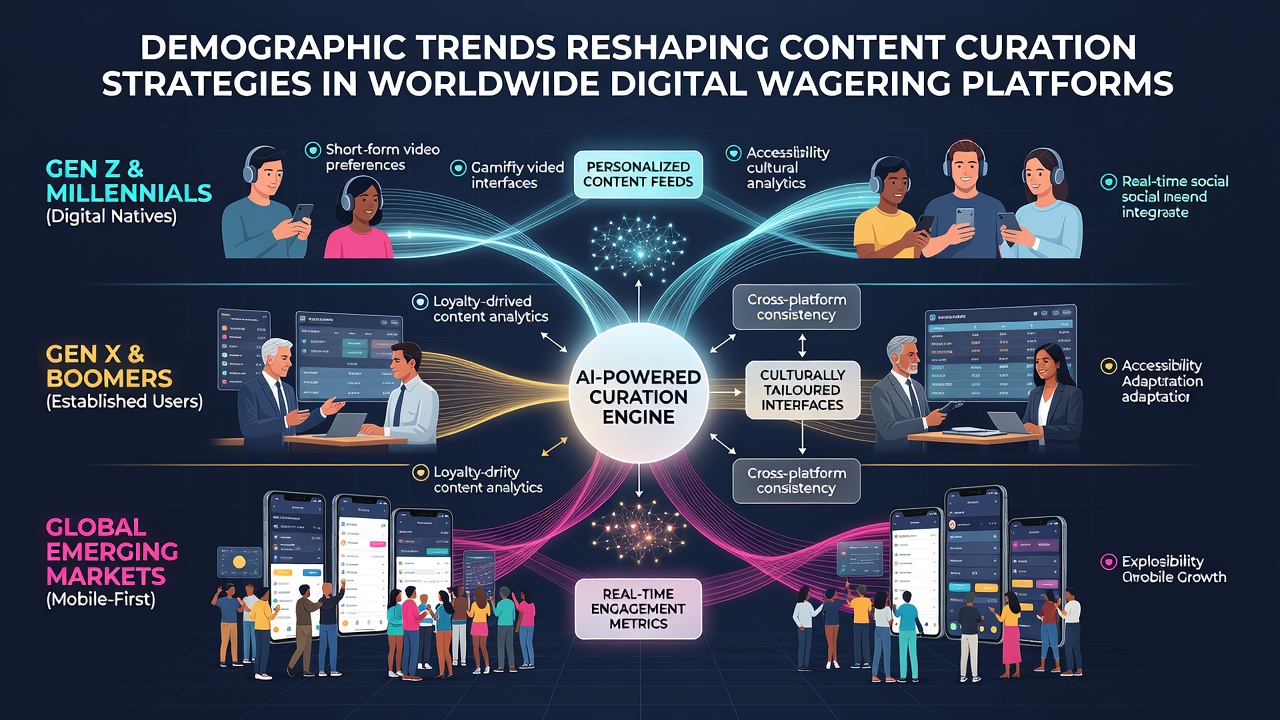 Platform operators also respond to generational transitions in payment preferences. Younger cohorts show higher adoption of digital wallets and cryptocurrency options, prompting curated payment gateways to appear earlier in onboarding flows for those segments. Older users continue to favor traditional card and bank transfer methods, which remain prominently positioned in their respective interfaces. These payment curation choices indirectly shape overall session continuity because friction at deposit stages influences subsequent game exploration. Seasonal and event-driven content receives demographic weighting as well. Sports tournaments draw broader male audiences in many markets, whereas entertainment tie-ins such as music festivals attract mixed-gender participation. Operators adjust temporary game additions and promotional banners accordingly, using location and age data to determine which user groups receive which themed modules. Longitudinal tracking reveals that platforms maintaining flexible curation logic achieve higher retention metrics across shifting user bases. Fixed catalog presentations without demographic adjustments show elevated churn when population compositions change due to marketing campaigns or regulatory openings in new territories. Industry associations in multiple regions compile comparative performance indicators that support this observation. Training data for machine learning models incorporates anonymized demographic snapshots updated quarterly. These snapshots draw from self-reported profile information combined with inferred signals from device and language usage. Model retraining cycles help maintain relevance as underlying population distributions evolve. Future platform updates will likely incorporate additional variables such as education level proxies and household composition indicators where permitted by data protection rules. Current implementations already demonstrate measurable impacts on average revenue per user when curation aligns with observed demographic clusters rather than applying uniform presentation logic.