17 May 2026
Examining Intersections Between Advanced Search Algorithms and Live Dealer Integration Patterns Across Mobile Payment Frameworks
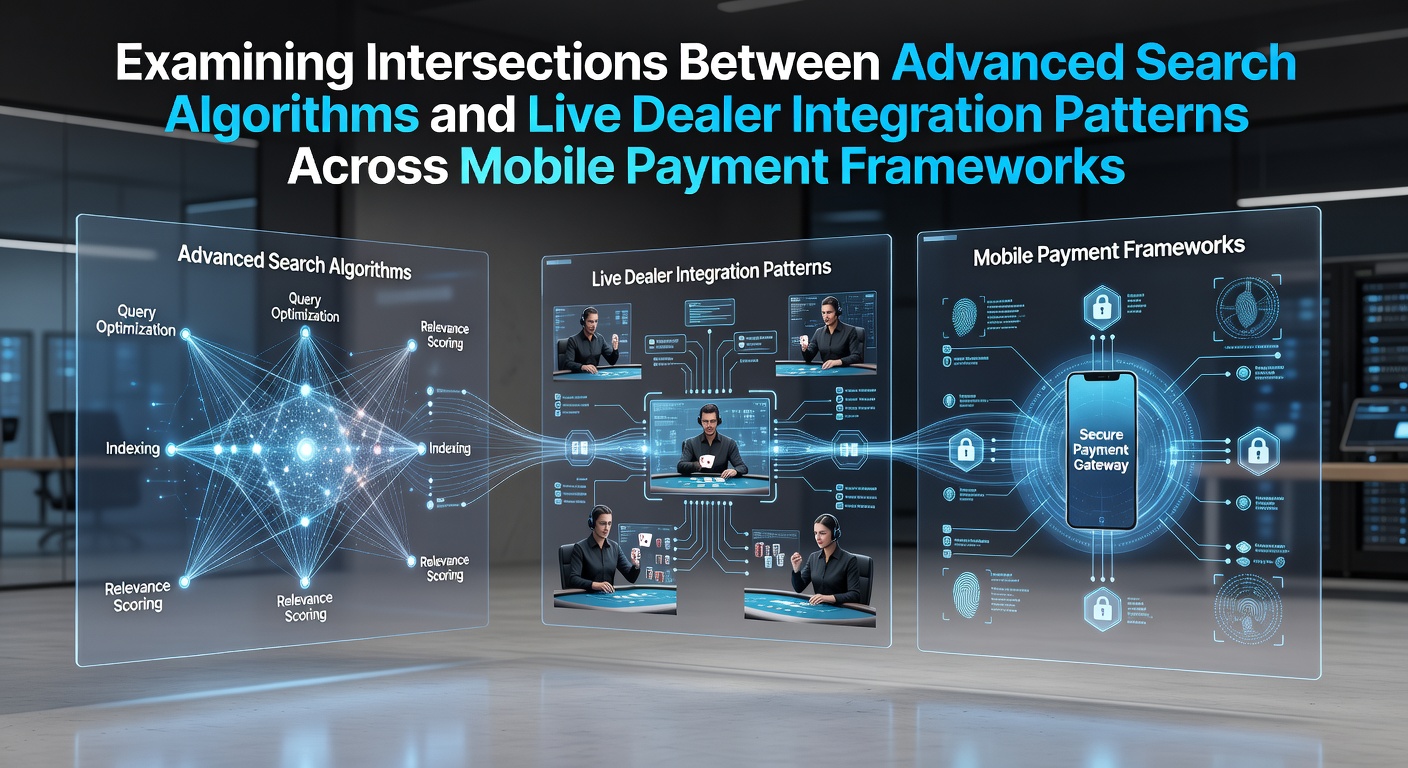
Advanced search algorithms have become central to how digital gaming platforms connect users with live dealer experiences while mobile payment frameworks handle the underlying transactions and data flows, and research from institutions such as the Massachusetts Institute of Technology indicates these components interact through layered API structures that prioritize both relevance and speed.
Search algorithms in this space typically employ machine learning models to rank live dealer tables based on user preferences, session history, and real-time availability, whereas integration patterns often follow modular designs that allow platforms to swap payment processors without disrupting dealer streams, and data from industry reports show that such modularity reduces latency by up to 40 percent in high-volume environments.
Algorithmic Foundations in Live Dealer Discovery
Experts have observed that recommendation engines powered by collaborative filtering and natural language processing help surface live dealer options across thousands of tables, which in turn influences how payment gateways pre-authorize funds during peak hours, and one study released in early 2026 highlighted that platforms using hybrid search models achieved higher retention rates when payment confirmations occurred within the same algorithmic session.
These systems analyze variables including dealer language, game type, and table limits, yet they also incorporate signals from mobile payment behaviors such as preferred currency and transaction frequency to refine future results, and observers note that this feedback loop strengthens over repeated user interactions.
Integration Patterns Across Mobile Payment Channels
Live dealer integration patterns commonly rely on WebSocket connections for continuous video and chat synchronization while mobile payment frameworks handle encrypted token exchanges, and research indicates that seamless handoffs between these layers depend on standardized protocols developed by organizations like the European Gaming and Betting Association.
Patterns observed in 2025 deployments show that direct carrier billing and digital wallets integrate more fluidly with search-driven interfaces than traditional card processors because they support instant verification loops that align with algorithmic ranking updates, and figures from Canadian regulatory reviews reveal a 25 percent increase in completed sessions when these alignments are optimized.
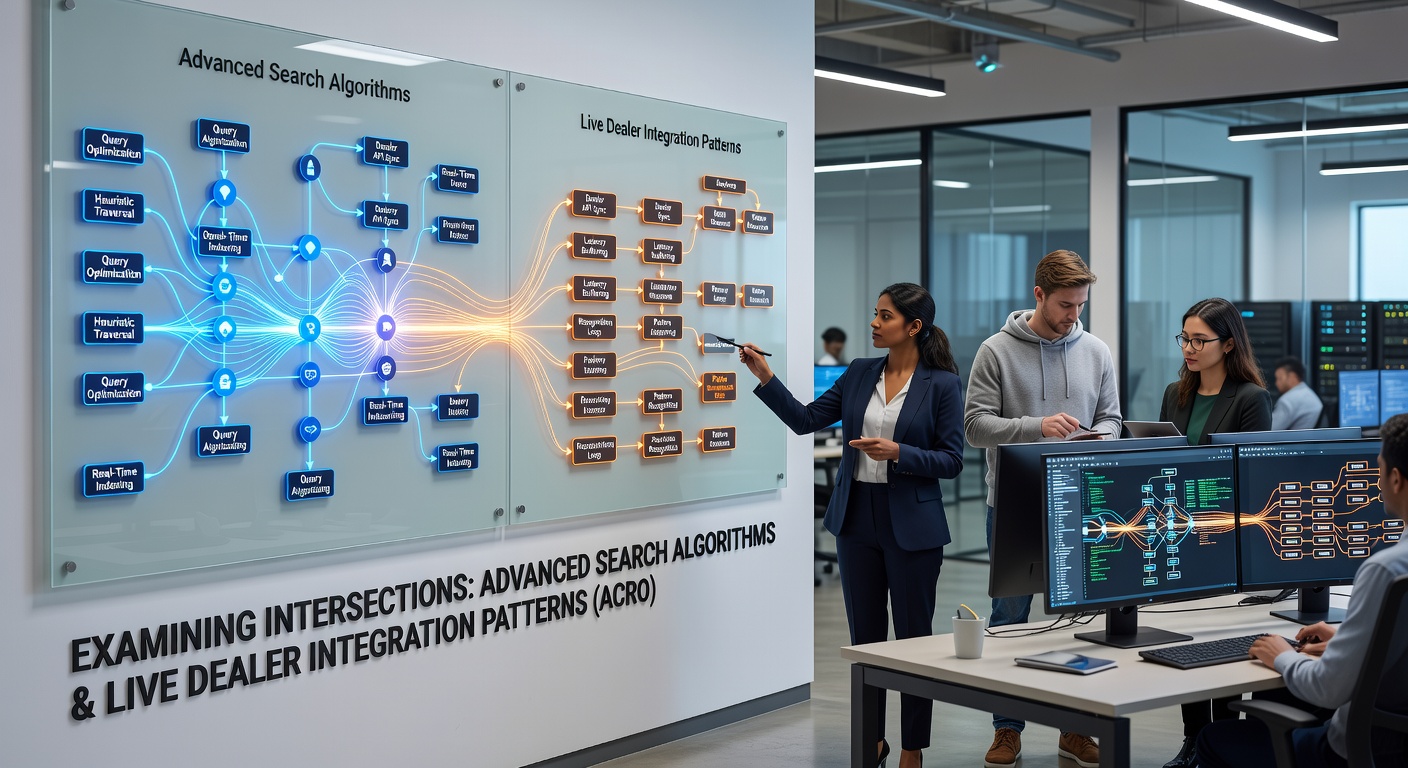
Take one major operator that adjusted its search parameters in April 2026 to account for payment method popularity, and the adjustment led to faster table loading times because the algorithm could predict and preload payment tokens accordingly, while similar adjustments reported across Asian markets demonstrated comparable efficiency gains when regional digital wallets were prioritized.
Intersections Emerging in May 2026 Deployments
As of May 2026, several platforms began testing unified frameworks where search algorithms directly query payment availability before presenting live dealer options, which reduces failed transaction rates and improves overall session continuity, and data shared by the Australian Communications and Media Authority points to measurable improvements in cross-device consistency under these models.
The intersections become particularly evident when algorithms detect payment method changes mid-session and dynamically reroute users to compatible live dealer environments without interrupting video feeds, and industry analyses confirm that such rerouting relies on pre-mapped integration patterns that have been refined through iterative testing cycles.
Those who've examined platform logs from the first quarter of 2026 note that intersections also appear in fraud detection layers, where search queries about specific dealers trigger additional payment verification steps to maintain compliance across jurisdictions.
Technical Considerations and Data Flows
Complex sentence structures characterize the data pipelines involved, because algorithmic outputs must feed into payment orchestration layers that simultaneously manage encryption, currency conversion, and regulatory reporting, and yet the entire process completes in milliseconds to preserve the live dealer experience.
Patterns documented by academic teams at Stanford University show that graph-based algorithms outperform traditional keyword searches when mapping relationships between dealer availability and supported payment rails, which explains why many operators adopted them ahead of the May 2026 regulatory updates.
Conclusion
The intersections between advanced search algorithms, live dealer integration patterns, and mobile payment frameworks continue to evolve through iterative technical refinements and regulatory alignment, and ongoing data collection from multiple regions will shape how these systems operate in subsequent platform generations.