7 Jun 2026
How Regional Time Preferences Influence Algorithmic Recommendations for Slot and Table Selections Across Devices

Regional time preferences play a central role in how recommendation algorithms prioritize slot and table game options for users operating across smartphones, tablets, and desktop computers, with systems processing location-based activity logs to adjust suggestions in real time. Data collected from gaming platforms indicates that players in different geographic zones tend to engage with specific game categories during predictable windows, prompting algorithms to refine outputs based on historical patterns rather than uniform global rules.
Regional Time Patterns in Gaming Activity
Studies of user behavior reveal clear variations tied to local time zones, where peak engagement with high-volatility slots often occurs during evening hours in European regions while table game selections rise in morning slots for Asian markets. These differences stem from work schedules, cultural routines, and daylight patterns, allowing algorithms to segment recommendations by combining timestamp data with device identifiers. Observers note that platforms track these signals continuously, updating models to favor certain reels or live dealer formats when users cross into new time-based clusters.
Algorithms incorporate factors such as average session length per zone and device type, shifting mobile users toward quick-play slots during commute periods in North American cities while desktop sessions in the same zones lean toward extended table experiences later in the day. Figures from industry monitoring services show consistent spikes, for instance in Australian evening play favoring progressive jackpots and Canadian afternoon activity directing toward blackjack variants. This segmentation enables precise targeting without relying on user-declared preferences alone.
Algorithmic Processing of Cross-Device Signals
Recommendation engines process inputs from multiple devices by matching time-stamped interactions to regional baselines, using machine learning layers that weigh recent activity against broader datasets. When a user switches from mobile to desktop within the same session, the system recalibrates suggestions to align with the dominant time preference observed in that locale, such as promoting table games during established evening peaks. Research indicates these adjustments occur through collaborative filtering techniques that group similar profiles across time zones, improving match rates for both slots and tables.
Device-specific constraints further shape outputs, with mobile algorithms often accelerating slot recommendations during short windows identified in regional logs, whereas desktop versions extend table game prompts when longer dwell times align with local habits. As of June 2026, several platforms integrated enhanced time-zone granularity into their models following updates reported by the Alcohol and Gaming Commission of Ontario, allowing finer distinctions between overlapping zones in border regions. This development built on existing frameworks that already distinguished peak table activity in one hemisphere from slot surges in another.
Data Sources Driving Recommendation Adjustments
Platform operators aggregate anonymized logs that capture game selections alongside precise timestamps and device metadata, feeding these into models that detect correlations between regional time and category preference. Evidence from aggregated reports points to higher table game uptake during afternoon blocks in South American markets contrasted with slot dominance in equivalent European windows, guiding algorithms to surface relevant options proactively. The approach avoids static rules by continuously retraining on fresh inputs, ensuring recommendations reflect evolving patterns without manual overrides.
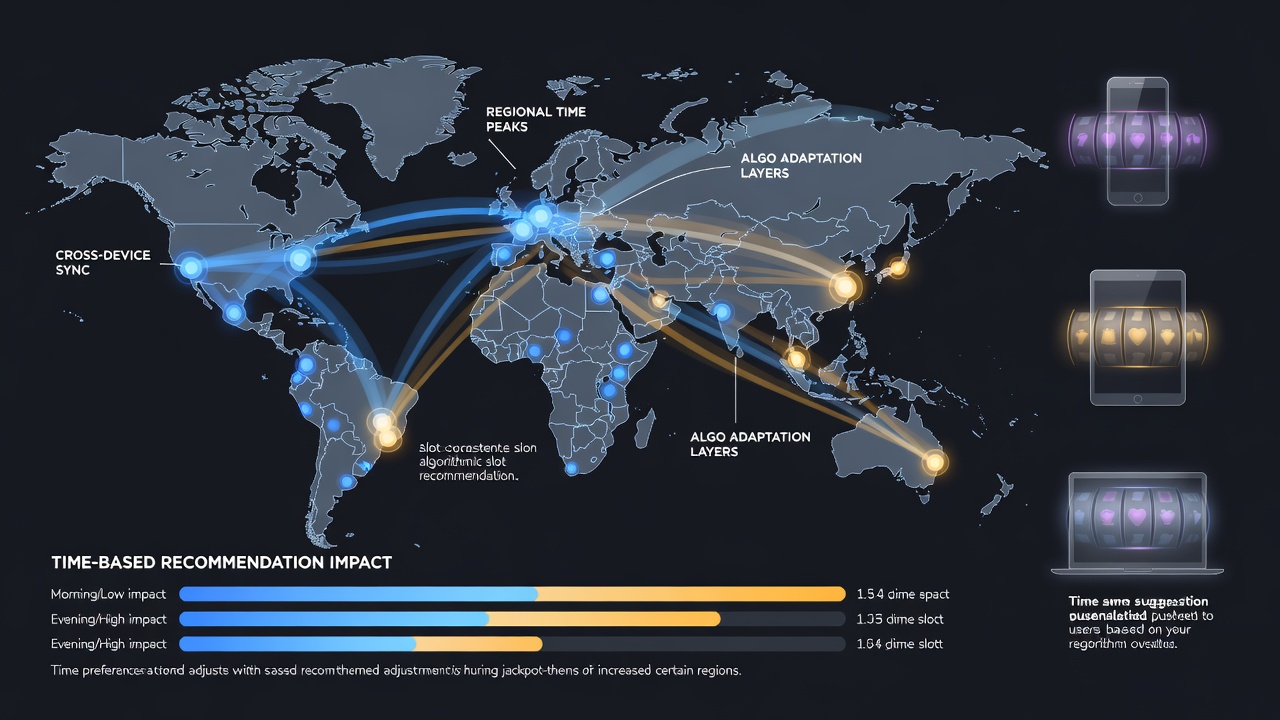
Additional layers incorporate external signals such as local event calendars and standard business hours, refining outputs when algorithms detect deviations from baseline activity. One documented case involved North American users whose mobile slot selections increased during lunch hours while desktop table engagement rose after standard work periods, prompting targeted shifts in suggested content. Such refinements rely on statistical clustering rather than individual tracking, maintaining compliance with data protection standards across jurisdictions.
Implications for Slots Versus Table Games
Slot recommendations respond more readily to short-duration time windows common in certain regions, with algorithms elevating titles that match quick-session profiles during identified peaks. Table game suggestions, by contrast, align with extended availability periods, drawing from data that shows sustained interest in live formats during evening blocks across multiple continents. This differentiation emerges naturally from the underlying datasets, where cross-device consistency allows seamless transitions when users move between interfaces at varying times of day.
Platforms apply these insights uniformly yet adapt thresholds per region, avoiding one-size-fits-all outputs. Monitoring from sources including the Nevada Gaming Control Board demonstrates measurable alignment between time-based models and actual selection rates, confirming that regional preferences translate into distinct recommendation pathways for slots and tables alike.
Conclusion
Regional time preferences continue to inform algorithmic refinements in slot and table selections across devices through systematic analysis of timestamped activity and device metadata. The resulting systems deliver context-aware suggestions that reflect documented patterns in user engagement, supported by ongoing data collection from regulatory and industry bodies. These mechanisms operate without requiring direct user input, relying instead on observable correlations between location, timing, and game category choices.