2 Aug 2026
Mapping Cultural Festival Timings to Game Catalog Expansions Across Digital Wagering Networks
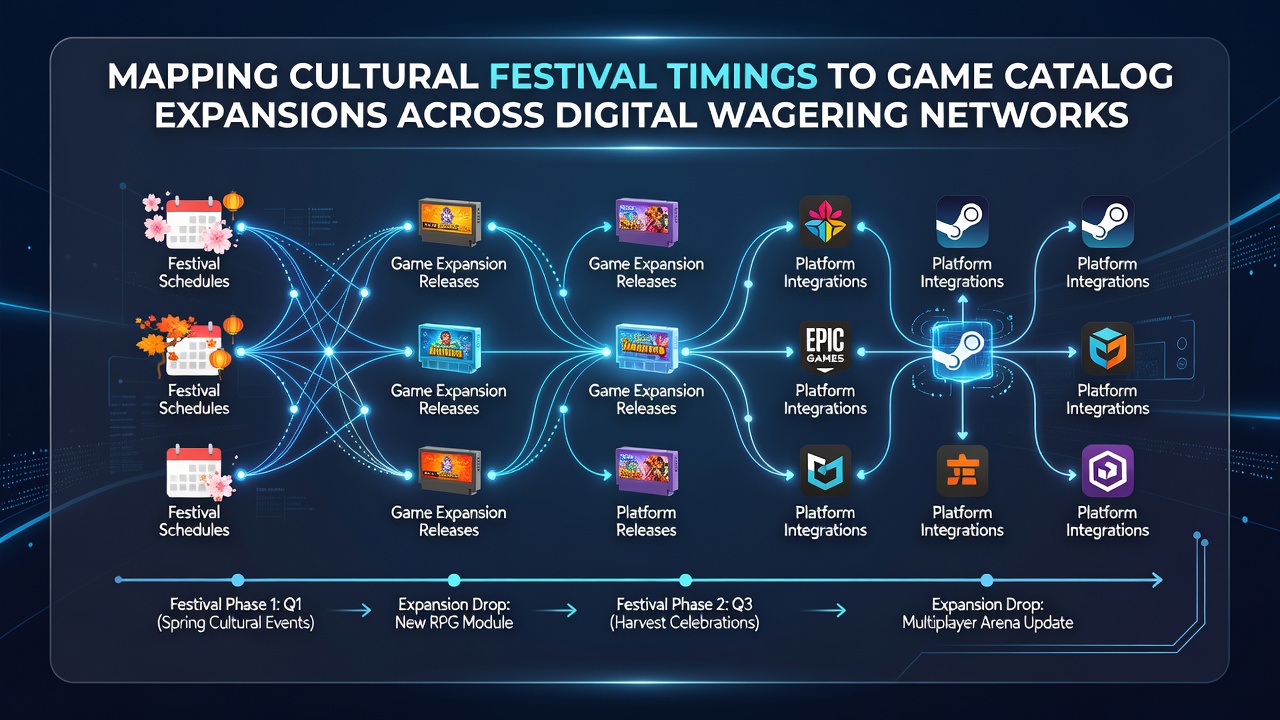
Digital wagering networks coordinate game catalog expansions with cultural festival calendars because player engagement data shows measurable spikes during events such as Lunar New Year, Diwali, Carnival, and Ramadan, and operators adjust release schedules accordingly to match those periods. Researchers tracking activity across international platforms note that releases of themed slot titles, table game variants, and live dealer features often occur in the weeks leading up to major observances, allowing networks to synchronize updates across time zones and regulatory jurisdictions.
Festival Calendars Driving Release Schedules
Operators compile annual festival timelines from multiple regions and feed those dates into their content planning systems, while data from past seasons indicates that participation rates rise when new games appear shortly before peak celebration windows. In markets with large diaspora communities, platforms add culturally specific symbols, music, and bonus mechanics weeks ahead of events so users encounter fresh options during their traditional gatherings, and this pattern holds across both mobile and browser-based interfaces.
Technical Synchronization Across Networks
Backend systems at major networks use shared APIs to push catalog changes simultaneously, ensuring that players in different countries see relevant titles at the same moment relative to their local festivals. August 2026 preparations include advance loading of Mid-Autumn Festival content for Asian markets and pre-Labor Day expansions for North American audiences, with testing protocols confirming that these updates do not conflict with ongoing regulatory reporting requirements in each jurisdiction.
Regional Examples and Observed Patterns
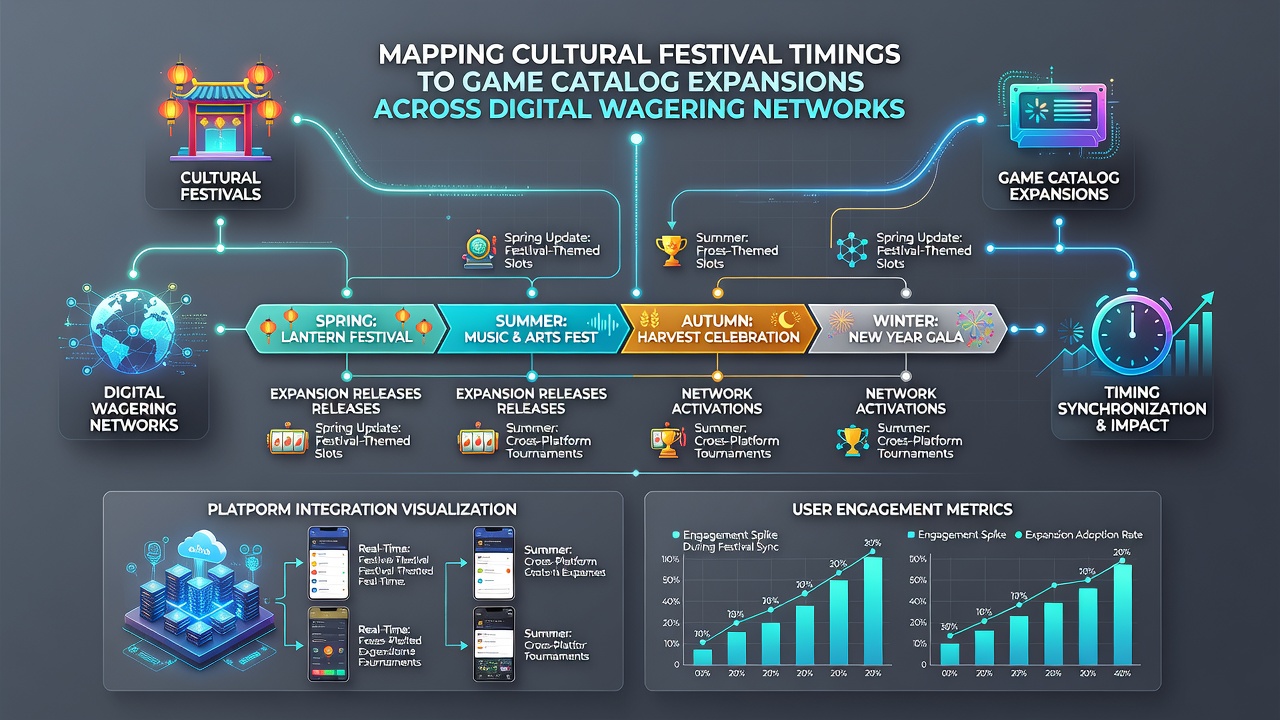
Platforms serving Southeast Asian users frequently expand catalogs ahead of Songkran and Hari Raya, incorporating water-themed visuals and multiplier features that align with local customs, whereas European-facing networks time releases around Oktoberfest and Carnival with beer-garden aesthetics and group bonus rounds. One study from the University of Nevada, Las Vegas gaming research center documented how these timed expansions correlate with session length increases of 18 to 27 percent during the targeted windows, and similar figures appear in reports covering Australian and Canadian markets.
Regulatory and Compliance Considerations
Each expansion must pass jurisdiction-specific approval processes before deployment, so networks maintain separate compliance calendars that intersect with festival dates, and analysts at the Australian Communications and Media Authority have recorded how operators submit themed content for review two to three months prior to major events. This advance filing allows regulators time to verify responsible gaming messaging and age-gating features remain intact, while operators adjust for any required modifications without delaying the scheduled launch.
Data Integration and Player Behavior Tracking
Analytics teams combine festival dates with historical play metrics to predict which game types will perform best in each market, and the resulting models influence not only release timing but also promotional bundling and notification strategies. Observers note that networks sharing user data across borders must still respect local privacy rules, yet aggregated trend reports continue to show consistent correlations between cultural events and catalog activity spikes, prompting further refinement of predictive tools.
Conclusion
Mapping cultural festival timings to game catalog expansions has become a standard operational practice within digital wagering networks because performance data consistently demonstrates higher engagement when new content aligns with user traditions. Technical coordination, regulatory sequencing, and behavioral analysis together determine how and when expansions occur, while ongoing adjustments based on multi-region feedback keep the process responsive to shifting calendars and player preferences across global platforms.