30 Jun 2026
Mapping Player Journey Patterns Through Integrated Loyalty Mechanisms in Browser Accessible Betting Systems
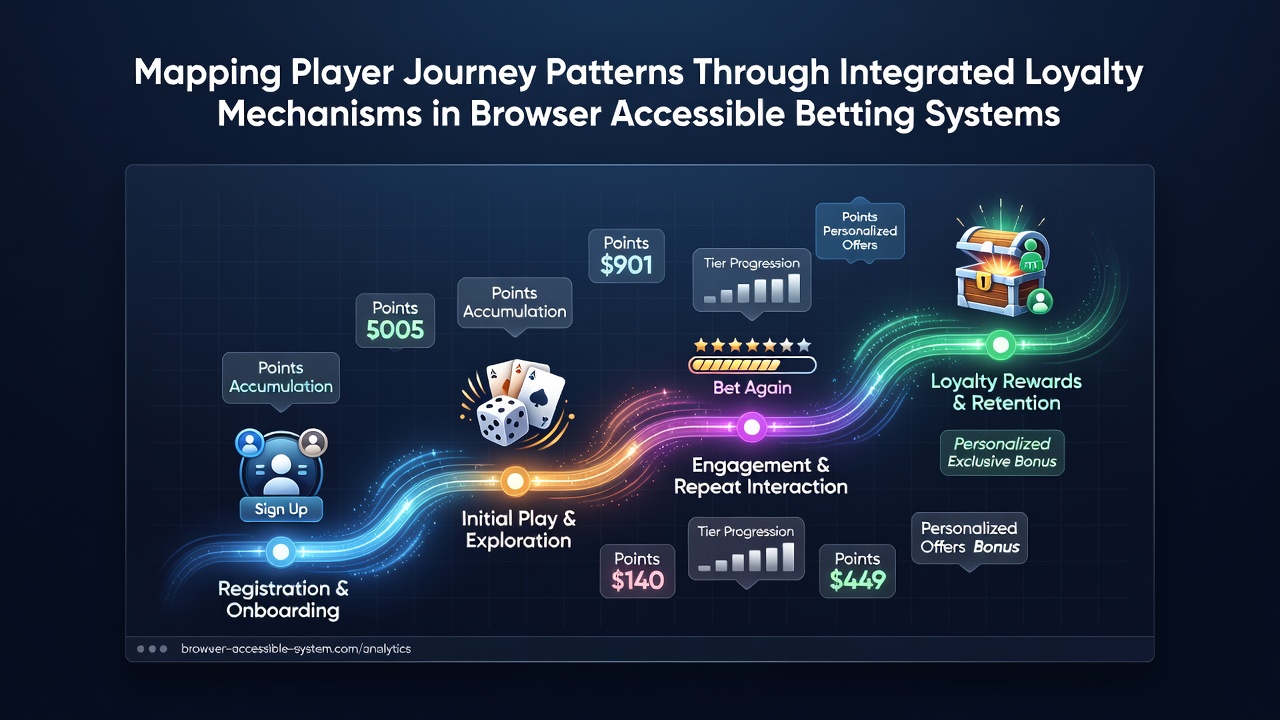
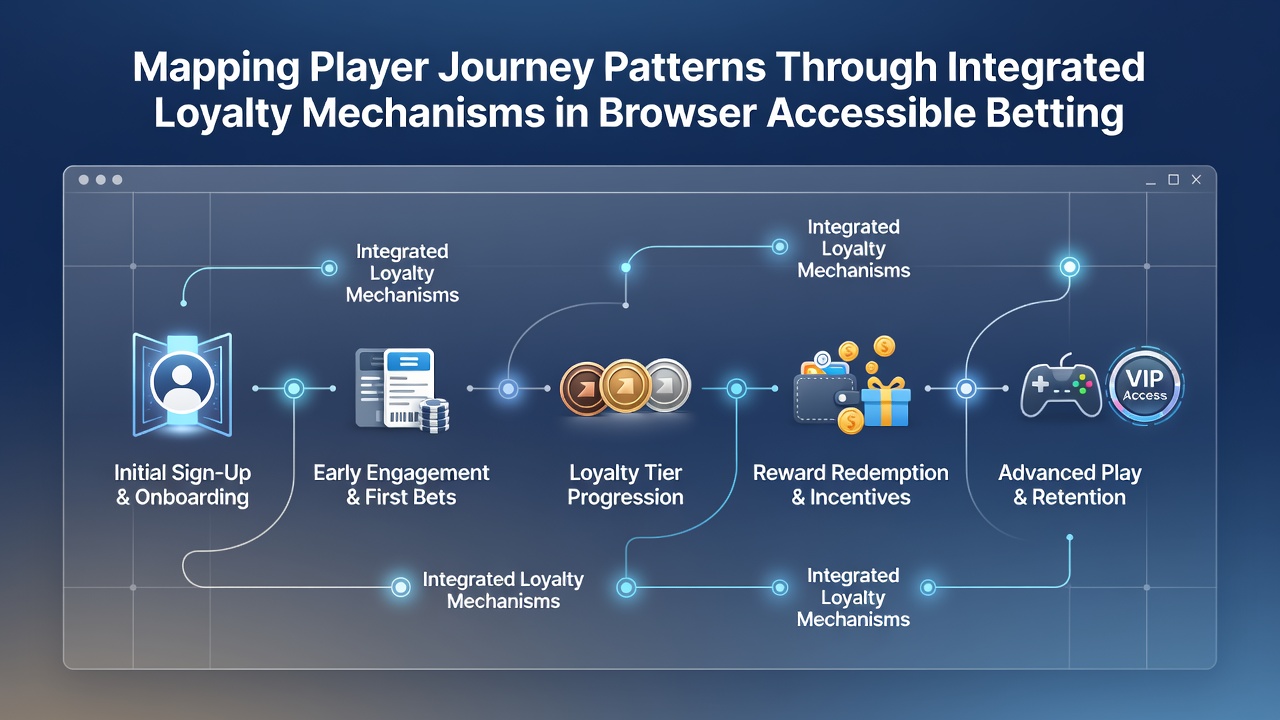
Browser accessible betting systems have expanded rapidly since the early 2020s, and integrated loyalty mechanisms now play a central role in tracking how users move through registration, deposit, game selection, and withdrawal stages. These platforms collect behavioral data at each touchpoint, allowing operators to map sequences that repeat across thousands of sessions while adjusting reward triggers accordingly.
Data Collection Points in Loyalty Integrated Platforms
Operators record every login event, wager amount, game category preference, and time spent on specific titles through browser cookies and account linked identifiers, which then feed into loyalty tier calculations. Research from the Australian Gambling Research Centre shows that session length patterns correlate strongly with reward redemption rates when points accumulate automatically after each completed bet. Those patterns emerge most clearly when systems log both successful deposits and failed attempts, because users who encounter friction often pause or abandon journeys at predictable intervals.
June 2026 figures released by several North American state regulators indicated that browser based systems captured over 65 percent of new account registrations during peak evening hours in time zones aligned with major sports events. Loyalty programs use these timestamps to trigger bonus multipliers that encourage continued play rather than immediate cash outs, creating measurable loops between deposit frequency and tier advancement.
Pattern Recognition Through Tiered Reward Structures
Loyalty tiers function as milestones that segment player journeys into observable phases, from entry level point collection to VIP status benefits such as personalized game recommendations and expedited withdrawals. When a user reaches a new tier, the system typically adjusts the visible interface to highlight games that historically retain similar profiles, which sustains engagement without requiring separate marketing campaigns.
One study conducted by researchers at the University of Nevada Reno examined over 1.2 million browser sessions and found that integrated point systems reduced drop off rates between the deposit and first wager stages by approximately 22 percent compared with platforms lacking automated rewards. The data also revealed that players who redeemed loyalty bonuses within the first 48 hours after earning them showed higher retention across subsequent months.
Cross Device Continuity and Browser Specific Challenges
Although many users begin sessions on mobile devices, browser accessible versions maintain separate tracking layers that synchronize loyalty balances across logins, yet they encounter distinct variables such as cookie expiration policies and ad blocker interference. Observers note that systems which maintain persistent identifiers despite these variables produce more accurate journey maps because they capture interrupted sessions that resume later on desktop browsers.
Canadian provincial data from 2025 through mid 2026 documented that loyalty mechanisms linked to browser cookies increased average session frequency by 18 percent among users who accessed accounts from multiple locations. Those same records indicated that reward structures emphasizing progressive multipliers rather than flat bonuses aligned more closely with extended play sequences across different game types.
Regulatory Oversight of Tracking Practices
Regulatory bodies in multiple jurisdictions require operators to disclose how loyalty data informs journey mapping, and the Malta Gaming Authority updated its technical standards in early 2026 to mandate clearer separation between promotional algorithms and responsible gambling interventions. These rules affect how systems flag patterns that might indicate excessive play while still permitting reward based progression tracking.
Industry reports from the European Gaming and Betting Association further illustrate that browser platforms incorporating loyalty integration often submit quarterly summaries of user progression metrics to oversight committees, which helps regulators identify whether certain reward thresholds correspond with elevated risk indicators across demographic groups.
Conclusion
Integrated loyalty mechanisms continue to shape the visibility of player journey patterns within browser accessible betting systems by converting raw behavioral logs into tier based segments that operators can monitor and refine. Data from regulatory filings and academic analyses demonstrate consistent correlations between automated reward delivery and measurable changes in session continuity, deposit timing, and game selection sequences. As platforms evolve through 2026 and beyond, these mapping techniques remain central to understanding how users interact with browser environments while complying with jurisdictional reporting requirements.