26 May 2026
The Interplay of Promotional Incentives and Session Patterns in Portable Betting Applications
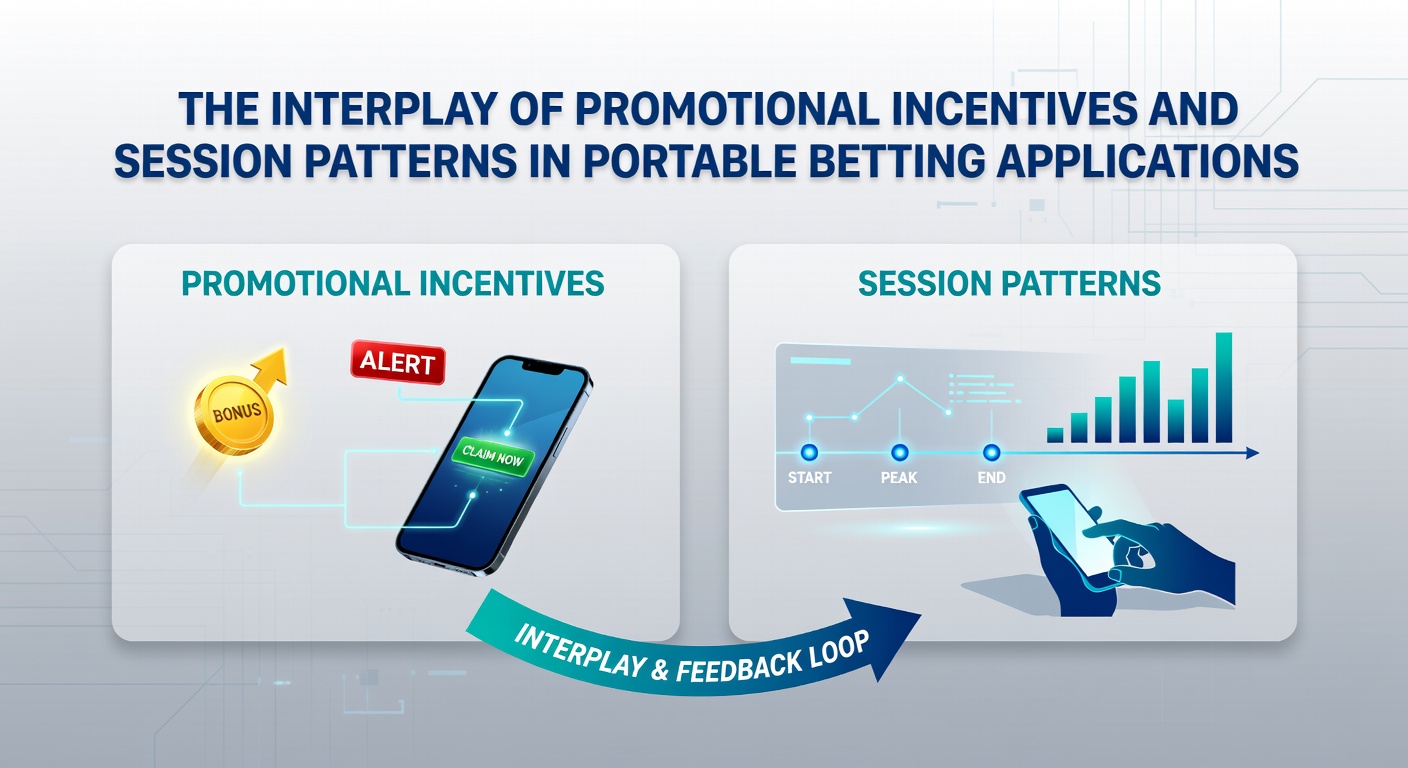
Portable betting applications have transformed how users engage with wagering platforms through targeted promotional incentives that directly shape session durations and frequency patterns, and data from industry reports highlights measurable shifts in user behavior across mobile environments.
Promotional Incentives in Mobile Betting Contexts
Promotional structures such as deposit matches, free bet credits, and loyalty rewards appear frequently in portable applications where operators design offers to encourage initial engagement and repeated logins, while researchers at institutions like the University of Nevada have documented how these incentives correlate with extended interaction times on handheld devices. Operators deploy time-limited bonuses that activate upon deposit or first wager, and this approach often leads users to maintain active sessions longer than they might without such triggers because the perceived value of the offer encourages continued play until the incentive expires or converts into playable funds.
Studies indicate that welcome packages combining matched deposits with risk-free bets generate higher average session starts in the days following activation, and figures from the New Jersey Division of Gaming Enforcement reveal consistent upticks in mobile handle during promotional windows throughout early 2026. Users frequently return to applications within the same day when loyalty points accumulate toward redeemable rewards, creating predictable cycles where incentives reset daily or weekly to sustain momentum across different time zones and user demographics.
Observed Session Patterns Across Devices
Session patterns in portable betting applications typically feature shorter but more frequent engagements compared to desktop platforms, with mobile users logging in for quick checks between other activities and extending time when active promotions align with peak hours such as evenings or weekends. Data shows that average mobile sessions last between eight and fifteen minutes during standard periods, yet this range expands notably when deposit bonuses or cashback offers appear in push notifications that prompt immediate re-entry into the application.
Geographic variations emerge clearly in regions with established regulatory frameworks, where Australian government analyses through the Australian Communications and Media Authority track how session clustering occurs around sporting events and how portable interfaces facilitate seamless transitions between live betting and pre-match wagers. Observers note that patterns of multiple short sessions often evolve into consolidated longer ones when users accumulate streak rewards or complete challenge-based promotions that require consecutive daily activity.
The Connection Between Incentives and Behavioral Shifts
Promotional incentives interact with session patterns by altering decision points where users might otherwise log out, and this dynamic becomes evident when bonus wagering requirements extend playtime because participants aim to meet thresholds before funds expire. Research indicates that applications incorporating personalized offers based on prior session history achieve higher retention rates, as tailored incentives match individual patterns such as preference for evening slots or specific event types.
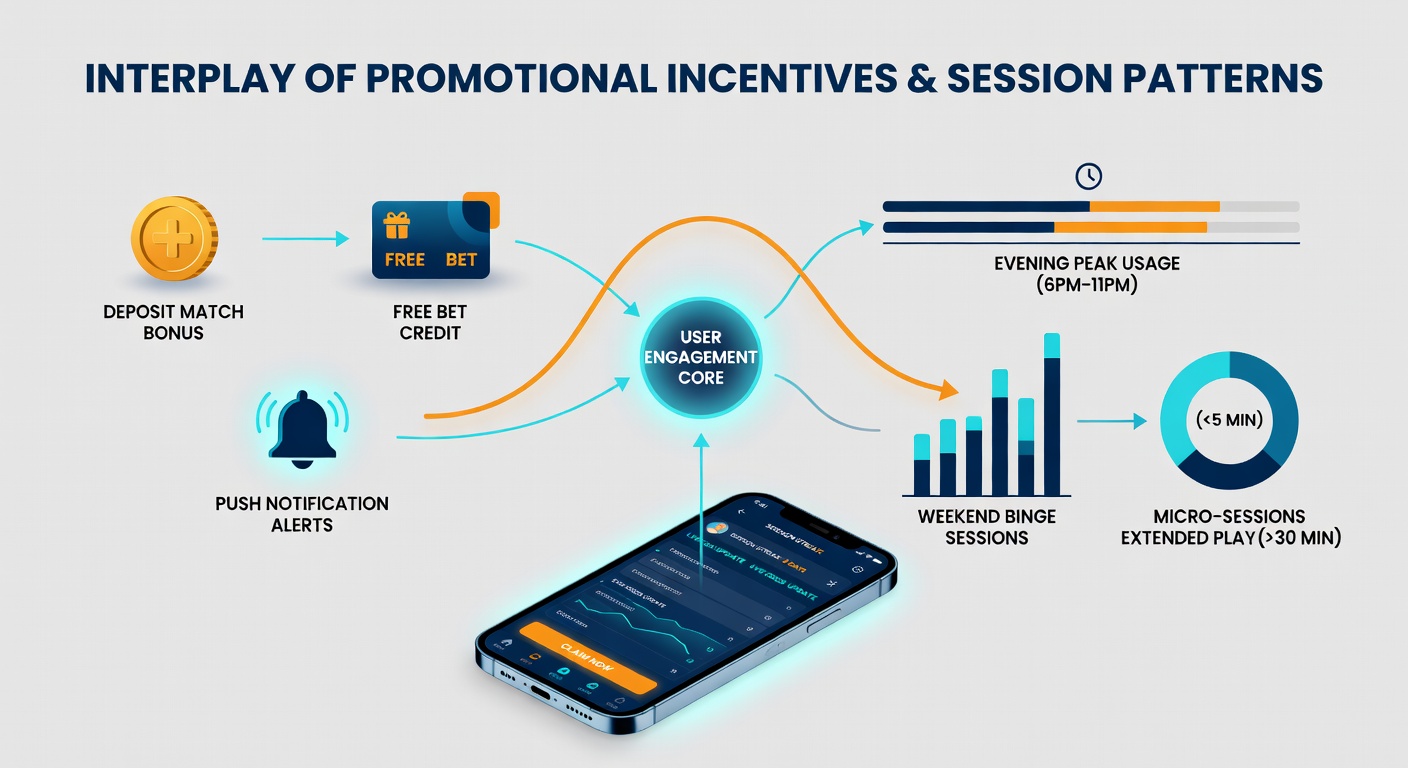
During May 2026 regulatory reviews in multiple jurisdictions highlighted how operators must balance incentive structures against responsible play guidelines, adn this scrutiny has prompted refinements in how bonuses display within applications to avoid encouraging uninterrupted sessions. Session data collected through application analytics demonstrates that users who receive mid-session notifications about available rewards tend to extend their time on platform by an average of twenty percent, while those without such prompts follow more fragmented patterns interrupted by external factors.
Industry reports further connect these elements by showing that progressive jackpots tied to minimum play requirements influence users to initiate sessions at specific intervals, creating rhythmic patterns that align with incentive availability rather than spontaneous interest alone. Portable applications leverage device notifications effectively to bridge gaps between sessions, and this mechanism sustains engagement across days when users might otherwise pause activity after completing an initial bonus cycle.
Regulatory Influences on Incentive Design
Regulatory bodies across different regions enforce standards that affect how incentives integrate with session monitoring tools, and the Malta Gaming Authority has issued guidance requiring transparent display of wagering terms to prevent patterns of extended play driven solely by obscured requirements. These rules encourage operators to implement session reminders within applications, and such features appear increasingly common as compliance measures evolve through 2026.
Canadian provincial regulators have examined mobile data sets showing correlations between bonus frequency and session clustering, leading to recommendations for operators to diversify incentive types rather than rely on continuous reward streams that might consolidate activity into prolonged blocks. This approach allows users to maintain varied patterns while still benefiting from promotions, and application developers incorporate these considerations when updating interface designs that present offers alongside usage statistics.
Conclusion
The relationship between promotional incentives and session patterns in portable betting applications continues to develop as operators refine targeting methods and regulators monitor outcomes across markets, with available data illustrating clear influences on how users structure their time within these platforms. Future adjustments in both incentive mechanics and application features will likely reflect ongoing analysis of these interactions, providing additional insights into mobile engagement trends.