9 Jun 2026
Tracing Biometric Authentication Pathways and Their Synchronization with Diversified Game Catalogs Across International Mobile Frameworks

Biometric authentication pathways in mobile gaming environments rely on device-level sensors that capture fingerprint, facial, or iris data and match it against encrypted templates stored locally on the hardware, while game catalogs adjust their presentation based on user profiles that update in real time across different regions and operating systems.
Core Components of Biometric Integration
Mobile operating systems handle initial verification through secure enclaves that process raw biometric signals without exposing them to applications, and gaming platforms then receive confirmation tokens that grant access to personalized sections of their libraries, which include slots, table games, and live dealer options drawn from region-specific catalogs. Data from the National Institute of Standards and Technology shows that template matching accuracy rates exceed 99 percent when devices operate under controlled lighting and stable network conditions, yet performance varies when users cross international borders adn encounter different regulatory requirements for data retention.
Cross-Framework Synchronization Mechanisms
International mobile frameworks maintain synchronization by pushing catalog updates through secure APIs that reference user authentication status, so a player verified via facial recognition on an Android device in one country sees the same curated recommendations when switching to an iOS device in another jurisdiction, provided the underlying compliance rules allow profile portability. Researchers tracking usage patterns note that synchronization latency averages under two seconds on 5G networks, while older 4G connections extend that interval and occasionally force fallback to PIN-based verification to maintain session continuity.
Regional Regulatory Influences on Data Handling
European frameworks enforce strict consent protocols under data protection directives that require explicit user approval before biometric templates link to game preference histories, whereas frameworks in parts of Asia permit broader data aggregation for fraud prevention as long as templates remain device-bound and never leave the hardware. Observers tracking developments through June 2026 report that several mobile operators began rolling out unified biometric tokens compatible with both iOS and Android ecosystems, allowing game providers to deliver consistent catalog views without repeated identity checks when users travel between markets.
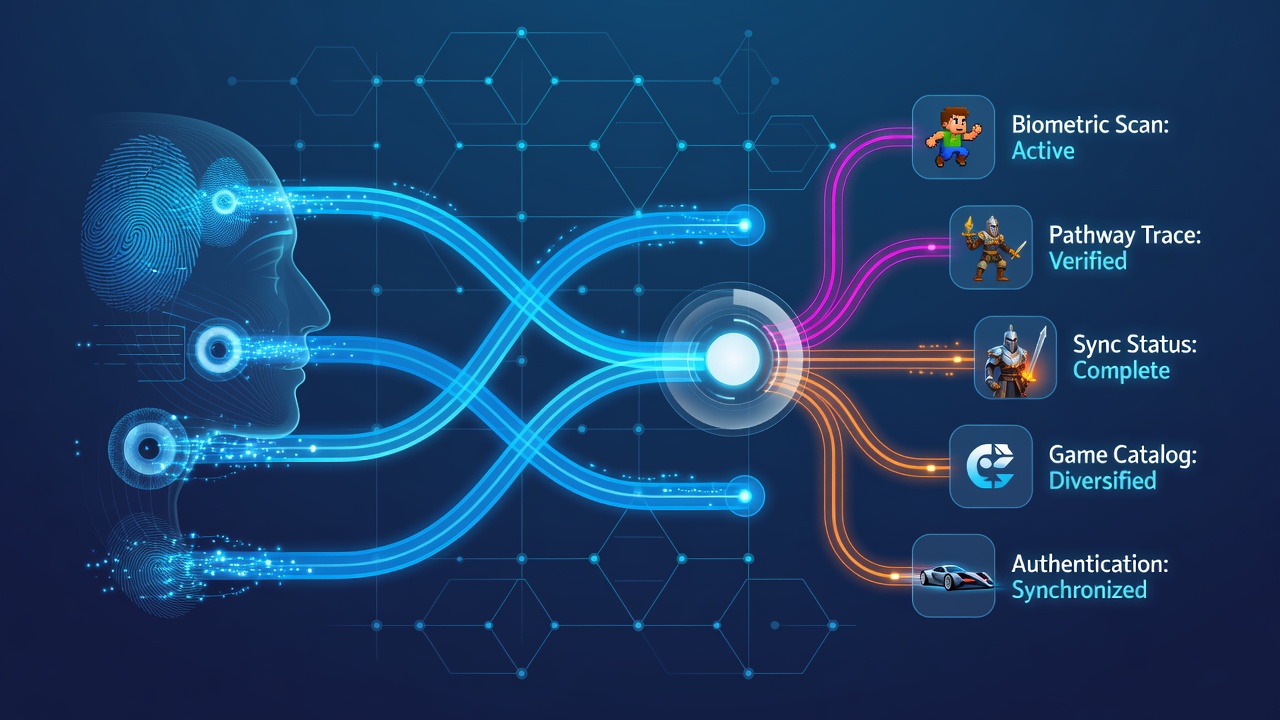
Game catalogs themselves diversify through algorithmic sorting that factors in verified user location, device type, and authentication method, so a fingerprint-verified session in North America might surface progressive jackpot titles first while an iris-scanned login in Oceania prioritizes live dealer tables with local currency options. Studies from the GSMA indicate that such conditional catalog rendering improves engagement metrics by aligning offerings with regional availability rules without compromising the security layer that biometric pathways provide.
Technical Challenges in Multi-Device Environments
Developers face ongoing hurdles when ensuring that biometric confirmation tokens remain valid across device handoffs, because each operating system applies its own encryption standards and timeout rules, yet successful implementations use token refresh protocols that preserve access to the same diversified catalog entries. Those who monitor adoption trends point out that hybrid authentication flows, combining biometrics with behavioral signals such as swipe patterns, reduce false rejection rates while still satisfying cross-border compliance checks that differ between North American and European regulators.
Future Standardization Efforts
Industry groups continue to refine protocols that would allow biometric templates to interface more seamlessly with game recommendation engines, and preliminary tests conducted ahead of June 2026 updates demonstrate reduced friction when users move between frameworks that share common data formatting standards. The result is a pathway where authentication events trigger immediate catalog synchronization, delivering region-appropriate titles without additional manual input from the player.
Conclusion
Biometric authentication pathways continue to serve as the secure entry point that enables synchronized access to diversified game catalogs, with international mobile frameworks adapting their technical and regulatory approaches to maintain both security and personalization across borders. As device capabilities expand and compliance requirements evolve, these systems will likely rely even more heavily on encrypted, device-local matching to support seamless transitions between catalogs in different markets.